
Only 117000 Giraffes Remain As Gentle Giants Face Silent Extinction Across Africa
Few animals capture the human imagination quite like giraffes rising high above the sprawling African savanna with their graceful movements and iconic silhouettes. Every year on June 21 World Giraffe Day honors the tallest land mammals on Earth while drawing international attention to their profound ecological importance. Yet beneath our widespread admiration lies a terrifying conservation crisis unfolding in silence. Wildlife experts estimate that only about 117,000 giraffes currently remain in the wild across Africa as their populations steadily plummet.
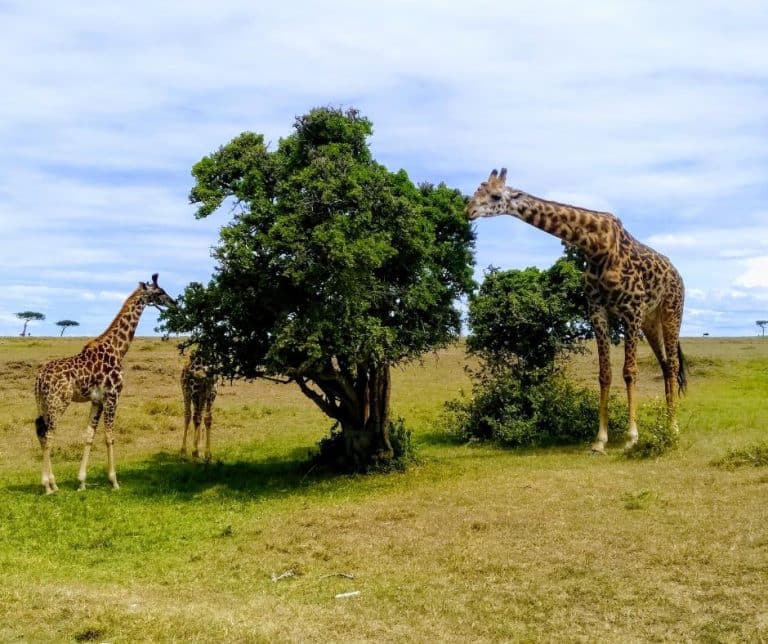
Rapid habitat destruction relentless illegal poaching expanding human development and climate change have pushed these majestic animals into a perilous decline. While high profile species like elephants rhinos and lions frequently dominate global conservation headlines giraffes face an equally severe population collapse. Because their decline occurs quietly across remote regions many people remain completely unaware of how close these iconic animals are to disappearing forever.
The Mind Blowing Biology And Unique Adaptations Of The Savanna Giant
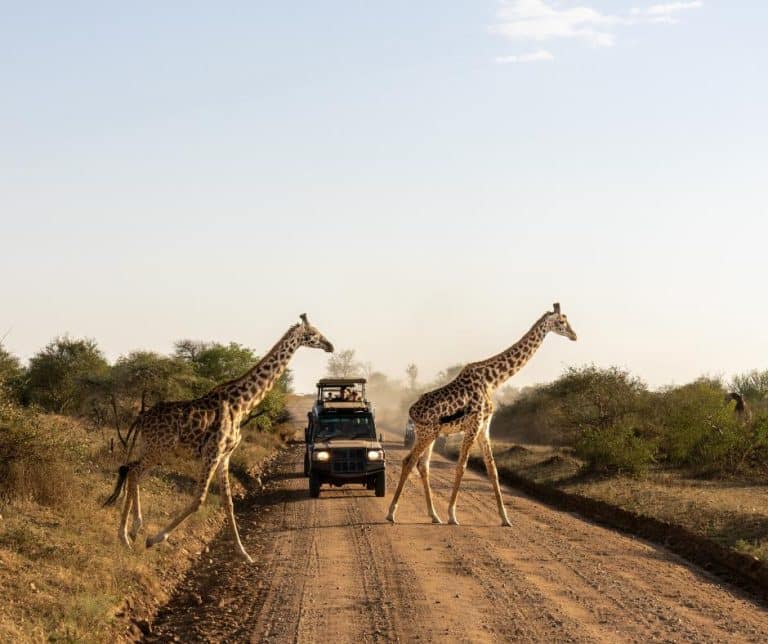
Scientifically known as Giraffa camelopardalis the giraffe represents one of the most specialized evolutionary marvels on the planet. Adult males reach heights of up to 18 feet allowing them to feast on high canopy leaves far beyond the reach of competing herbivores. Astonishingly giraffes possess the exact same number of neck vertebrae as humans sharing seven massive bones that each measure over ten inches long. To pump blood up their towering necks to their brains their extraordinary hearts weigh over 20 pounds and generate extreme blood pressure.
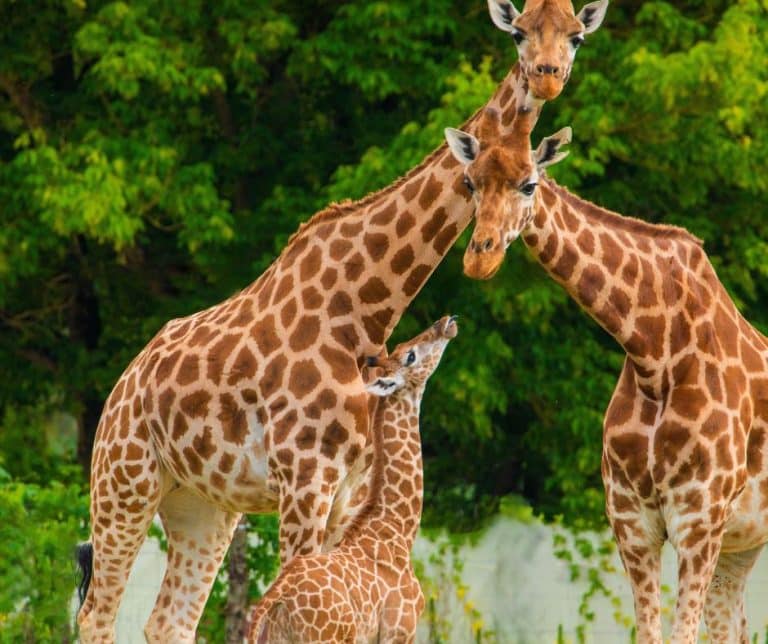
Their specialized adaptations extend to their incredibly dexterous 20 inch prehensile tongues which easily strip nutritious leaves from thorn covered acacia trees. Thick natural saliva shields their mouths from sharp spikes giving them exclusive access to rich food sources. Life begins dramatically for a newborn calf as it drops six feet to the ground at birth before standing within hours. Though newborn calves face intense danger from lions and hyenas each survivor represents a monumental victory for the survival of the species.
Protecting Diverse Subspecies And Preserving Essential Ecosystem Balances
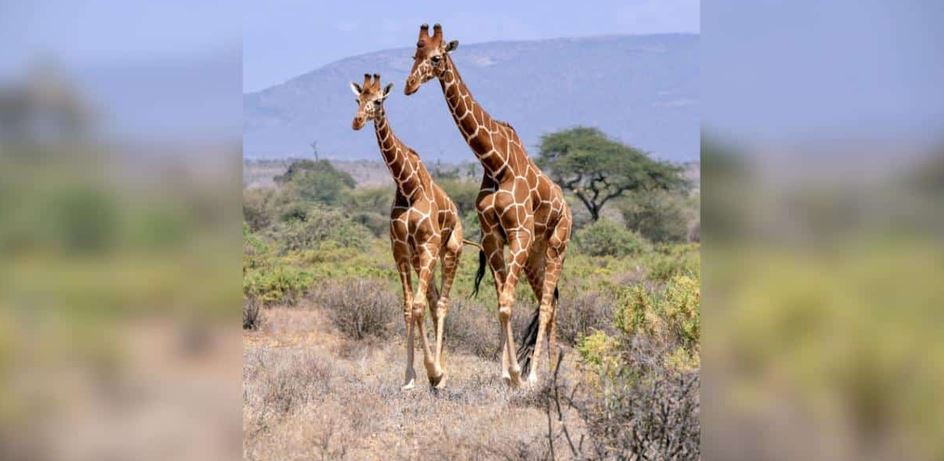
Across the African continent distinct subspecies face vastly different survival challenges requiring specialized conservation strategies. The critically endangered Northern giraffe survives in small isolated populations across East and Central Africa threatened by political instability and illegal hunting. Meanwhile the striking Reticulated giraffe with its vibrant geometric coat patterns suffers from habitat fragmentation in Kenya. Fortunately targeted conservation efforts in southern Africa demonstrate that dedicated habitat reserves and anti poaching patrols can successfully stabilize and rebuild dwindling giraffe numbers.
Giraffes serve as indispensable ecosystem engineers by pruning high canopies dispersing native plant seeds across vast distances and maintaining healthy open savannas. Protecting these gentle giants preserves the delicate ecological balance that supports hundreds of other savanna species. Through international cooperation community driven conservation initiatives and increased public awareness we can ensure these magnificent animals continue to walk tall across the African horizon for generations to come.
+ There are no comments
Add yours